
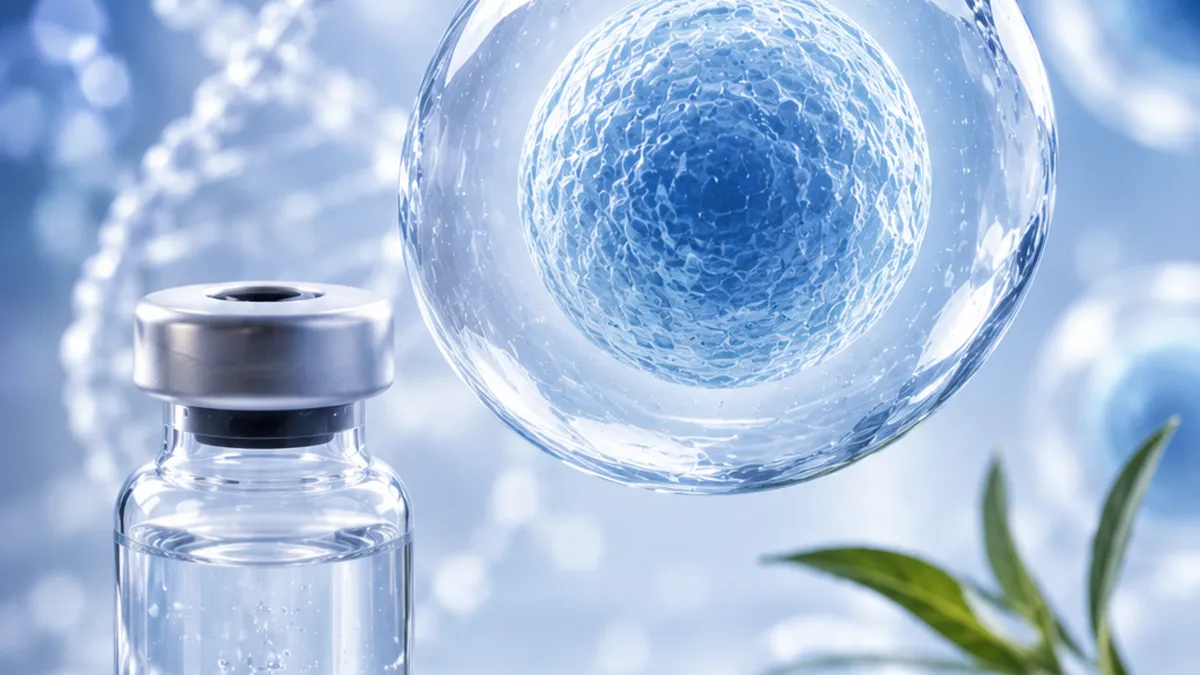
Stem Cell Therapy in Salt Lake City: What to Know First
You've Been Reading About Stem Cells. Now You Have More Questions Than Answers.
Maybe you're staying active in the Wasatch and your body isn't bouncing back like it used to. Maybe a friend mentioned stem cells or exosomes, or an ad caught your eye. You started searching, and you found big promises, prices that are all over the place, and clinics that seem to say whatever you want to hear.
You're left wondering: What is this, actually? Is it legal? Is it right for someone like me?
It's Normal to Feel Skeptical
You shouldn't need a biology degree to make a smart decision about your own health. Wanting clear, honest answers before spending money isn't being difficult. It's being careful. The good news: a few basic facts make this topic much easier to navigate.
What Stem Cell and Exosome Products Are, and What They Aren't
Where these products come from
Most stem cell products offered at U.S. wellness clinics come from donated birth tissue: umbilical cord blood, umbilical cord tissue (Wharton's jelly) or related materials, donated after healthy, screened births. They are not embryonic stem cells.
The "replacement parts" myth
A common idea is that injected stem cells turn into new cartilage, muscle or other tissue. That's not how the regulated products in this category are described. The current view centers on cell signaling: these products carry naturally occurring growth factors, cytokines and other messenger molecules that cells use to communicate. Research into what that signaling does in people is ongoing, and many questions are still open.
Stem cells vs. exosomes
Stem cell products contain cells plus the signaling molecules they carry.
Exosomes are tiny vesicles that cells release to "talk" to each other. Exosome products are cell-free.
They are different products with different regulatory considerations. Ask any provider which one they're discussing and why.
How the FDA regulates them
This is the part most ads leave out:
The FDA regulates human cell and tissue products (HCT/Ps). Some products that meet strict criteria (minimal manipulation, "homologous use," processing in an FDA-registered facility) fall under Section 361 of the Public Health Service Act and 21 CFR Part 1271, and don't require premarket approval.
Not requiring premarket approval is different from being FDA-approved. According to the FDA's list of approved cellular and gene therapy products, the only FDA-approved stem cell products are blood-forming stem cells derived from cord blood, for specific blood-related disorders. There are currently no FDA-approved exosome products.
The FDA has publicly warned consumers about clinics that market unapproved stem cell products to treat diseases or conditions. A product marketed that way may be regulated as an unapproved drug.
Red flags to watch for, anywhere in Utah
Promises to treat, cure or reverse a specific disease or injury
Guaranteed results or timelines
"FDA-approved" claims for stem cell or exosome wellness products
Before-and-after photos or dramatic health testimonials
Pressure to buy a package before a consultation
No answer when you ask where the product was processed and how it was tested
Questions to ask any provider
Which exact product is this, and who manufactures it?
Is the processing facility registered with the FDA? Can I see the documentation?
How is each batch tested (sterility, cell count, viability)?
Who performs the procedure, and what are their credentials?
What are the known risks, and what will the consent form cover?
What does the research show, and what doesn't it show yet?
What's the full cost, and is it covered by insurance? (Usually it isn't.)
What a responsible consultation looks like
A good first visit is a conversation, not a sales pitch. It covers your health history, your goals, what the product is, how it's regulated, the uncertainties and risks, and other options worth considering, including whether you should talk to your primary care doctor first. Sometimes the honest answer is "this isn't the right fit." If you're not sure where to start, that's a fine place to begin the conversation.
Why local matters
Choosing a Salt Lake City clinic means you can meet the team in person, ask follow-up questions, and have a nearby point of contact. That beats a flight to an overseas clinic or a one-day "seminar" sale.
A Calm, No-Pressure Place to Get Answers
Foothill Wellness, on South Foothill Drive near the University of Utah and Foothill Village, offers a clinician-guided stem cell and exosome consultation in Salt Lake City covering Hyagen CV (umbilical-cord-derived stem cell) and Hyagen EV (exosome) products. Your first step isn't committing to anything. It's finding out whether this makes sense for you.
Tell us your goals. Call or text, or stop by.
Have an honest consultation. We'll explain the products, how they're regulated, and what is and isn't known.
Decide with clarity. Whatever you decide, you'll leave with straight answers.
What Guests Say About Their Experience
These Google reviews describe the clinic experience in general, not stem cell results.
"This was my first time at a wellness center and it was so lovely. Sarah was super friendly and explained everything thoroughly, making me feel comfortable with services that were new to me! Highly recommend."
- Madeline, Google review"I liked that we could have a good conversation about what may be best for my health, with out any feeling of being "sold" something. Clear helpful communication." — Wendy
"Definitely a needed morning to myself! A very relaxing and calming clean space. Staff is very friendly and kind. Answered all of my questions and went above and beyond explaining about all of the benefits to their wellness options. Cannot wait to go back!" — Lindsay
Stem Cell Therapy FAQ: Salt Lake City
Is stem cell therapy legal in Utah?
Certain HCT/P products processed and used under FDA's Section 361 rules can be offered legally without premarket approval. Products marketed to treat diseases may be considered unapproved drugs. State rules can also apply, so ask any Utah clinic how it meets current federal and state requirements, including patient notice and consent.
Are stem cell or exosome products FDA-approved?
No stem cell or exosome products are FDA-approved for general wellness. The only FDA-approved stem cell products are cord-blood-derived blood-forming stem cells for specific blood disorders.
Are these embryonic stem cells?
No. The products discussed here come from donated umbilical cord material after screened, healthy births.
What's the difference between stem cells and exosomes?
Stem cell products contain cells and their signaling molecules. Exosome products are cell-free vesicles that carry signaling molecules.
Will it work for me?
No one can promise that. Research is ongoing, and individual experiences vary. A consultation is the place to talk through your situation, the evidence and the risks.
Is it covered by insurance?
Generally, no. Ask for full pricing up front. If you plan to use an HSA or FSA, check with your plan administrator about eligibility.
What happens at a consultation?
You'll talk through your health history and goals, learn about the products and how they're regulated, review the risks and alternatives, and ask anything you like, with no pressure to book.
Start With a Conversation
New to Foothill Wellness? Get $50 off your first visit with our New Guest Special. Call or text (801) 784-0095, or claim the New Guest Special. You don't need to know what to book. Just tell us your questions.
Valid for first-time guests only. Cannot be combined with other offers.
1414 S Foothill Dr, Suite D, Salt Lake City, UT 84108
Medical Disclaimer
This article is for general educational purposes only and isn't medical advice. Stem cell and exosome products discussed here are not FDA-approved to diagnose, treat, cure or prevent any disease or condition, and they are not intended to affect the structure or function of the body. Individual experiences vary, and no specific outcome is guaranteed. Talk with a qualified healthcare provider about your health history, risks and alternatives before starting any treatment.
