Athletic Recovery: Science-Backed Strategies to Heal Faster
You've pushed hard. Your muscles are screaming. You know you gave it everything on the field, in the gym, or on the course—but now comes the part most athletes dread: recovery.
Here's the truth: your body already knows how to recover. It's built for it. But most athletes are leaving performance on the table because they're not giving their bodies the right support to heal faster.
This guide will show you the science-backed strategies that help you bounce back stronger, reduce downtime, and get back to peak performance.
Why Recovery Matters More Than You Think
There's a misconception in athletic culture: more training equals better results. But the research tells a different story.
During intense training, you create micro-tears in muscle fibers and trigger inflammatory responses. Recovery is when your body rebuilds those muscles stronger. Growth hormone peaks during sleep. Protein synthesis accelerates during rest periods. Inflammation—which feels like soreness—is actually your body's signal that it's adapting.
When you don't prioritize recovery, you're essentially sabotaging your progress. You increase injury risk, slow adaptation, compromise your immune system, and plateau in performance gains.
The athletes who dominate aren't training harder. They're recovering smarter.
The Three Pillars of Athletic Recovery
1. Active Recovery and Movement
After intense training, your instinct might be to collapse on the couch. But strategic movement accelerates recovery by increasing blood flow to damaged tissues, removing metabolic waste, and reducing stiffness.
This doesn't mean more training. Active recovery looks like:
Light walking, swimming, or easy cycling (keeping heart rate 40-60% of max)
Gentle stretching and mobility work
Foam rolling to release myofascial tension
Yoga focused on breathing and flexibility
The goal is movement that feels restorative, not depleting. If you're out of breath, you've gone too hard.
2. Sleep and Nervous System Recovery
This is where elite athletes separate from the rest. Most of your recovery happens while you sleep.
During sleep, your body:
Releases growth hormone (peaks in deep sleep)
Consolidates neural patterns and motor learning
Repairs muscle tissue and collagen
Restores glycogen stores
Rebalances hormones and neurotransmitters
Athletes need 7-10 hours minimum, but many need more during heavy training blocks. Quality matters too—consistent bedtime, cool dark room, no screens 30-60 minutes before bed, and managing caffeine intake all support deeper sleep.
3. Cellular Recovery Support
Beyond movement and sleep, your cells need specific support to rebuild efficiently. This is where strategic supplementation and recovery modalities make a measurable difference.
Advanced Recovery Modalities That Work
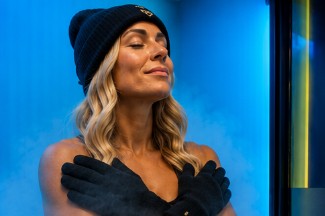
Cryotherapy
Cold therapy is one of the most researched recovery tools available. Cryotherapy—exposure to extreme cold (typically -200°F to -300°F for 2-3 minutes)—triggers multiple recovery benefits:
Reduced inflammation: Cold constricts blood vessels, flushing out inflammatory cytokines
Pain relief: Numbs the sensory nerves temporarily while your body accesses painkilling endorphins
Faster muscle repair: When you exit the cold chamber, vasodilation floods the area with oxygen and nutrient-rich blood
Enhanced recovery hormone release: Cold exposure stimulates norepinephrine and growth hormone
Research shows athletes using cryotherapy report faster soreness recovery (DOMS), improved mobility within 24 hours, and reduced injury rates. Professional athletes across NFL, NBA, and Olympic teams use cryotherapy as a core recovery tool.
What makes it different from ice baths: Whole-body cryotherapy is significantly more efficient and tolerable than ice immersion. You avoid the 20-40 minute ice bath soak while getting superior results in under 3 minutes.
Hyperbaric Oxygen Therapy (HBOT)
Your body heals with oxygen. HBOT increases oxygen saturation in your blood to levels 20x higher than normal breathing, delivering this oxygen deep into tissues.
For athletic recovery, HBOT:
Accelerates collagen deposition for tissue repair
Reduces inflammation by calming immune response
Enhances new blood vessel formation (angiogenesis)
Improves cellular energy production
Many athletes use HBOT for injury rehabilitation, getting 6-8 sessions before returning to competition.
NAD+ Therapy
NAD+ (Nicotinamide Adenine Dinucleotide) is a coenzyme critical for cellular energy production. As we age and train hard, NAD+ levels decline, slowing recovery.
IV NAD+ therapy restores this critical molecule, supporting:
Mitochondrial function and ATP production
Faster muscle repair and protein synthesis
Reduced fatigue and faster energy restoration
Enhanced mental clarity (recovery includes cognitive recovery)
Recovery IV Infusions
After brutal training sessions, your body is depleted of electrolytes, amino acids, and hydration. IV infusions bypass digestion and deliver exactly what your muscles need, with immediate bioavailability.
Athletic recovery IV cocktails typically include:
High-dose electrolytes (sodium, potassium, magnesium)
B-complex vitamins for energy metabolism
Amino acids for muscle repair
Antioxidants to combat training-induced oxidative stress
Recovery time after: Hours to same-day (versus 24-48 hours for oral absorption).
Nutrition Strategy for Faster Recovery
You don't need fancy supplements if the fundamentals are off. But done right, nutrition is the leverage point most athletes miss:
Protein timing: Get 20-40g complete protein within 1-2 hours post-training to activate muscle protein synthesis
Carbohydrate replenishment: Restore glycogen with simple carbs immediately after training (4:1 carb-to-protein ratio is ideal)
Anti-inflammatory foods: Omega-3 rich foods (salmon, walnuts, flax), berries, leafy greens, and turmeric reduce training-induced inflammation
Hydration as strategy: Drink to pale yellow urine. Dark urine = cellular dehydration limiting recovery
Foothill Wellness: Your Recovery Partner
In Salt Lake City, we've built something different. We're not here to replace training. We're here to help your body do what it's already trying to do—recover faster and come back stronger.
Our athletic recovery program combines:
One-on-one assessment of your training load and recovery status
Evidence-based modality recommendations (cryotherapy, HBOT, IV therapy)
Personalized recovery protocol based on your sport and training cycle
Ongoing optimization as your body adapts
Brooke, one of our founders, is a competitive athlete herself. She gets it. We're not applying generic spa treatments—we're applying sports science.
Real Results from Real Athletes
"I used to be sore for 4-5 days after heavy leg sessions. With cryo and IV recovery, I'm back to normal within 24 hours." — Marcus, 34 | CrossFit Competitor
"As a marathon runner, recovery was killing my training consistency. Foothill's protocol cut my typical soreness in half. I can run harder, more frequently, and actually enjoy the process." — Jennifer, 42 | Endurance Athlete
"Injured my shoulder before a tournament. HBOT + cryotherapy + targeted training got me back in competition 2 weeks faster than PT alone. Game-changer." — David, 27 | Rock Climber
"I was skeptical about the 'wellness' stuff, but the science is real. The athletic recovery program at Foothill gave me an edge I didn't expect." — Alex, 31 | Competitive Cyclist
Frequently Asked Questions
How soon should I do cryotherapy after training?
Ideally within 2-4 hours post-training, while the inflammatory response is ramping up. Waiting longer still helps, but immediate application is optimal. Many athletes do cryo same-day and then repeat 24 hours later for optimal soreness reduction.
Is athletic recovery just for elite athletes?
No. Anyone training intensely—CrossFit athletes, serious runners, weekend warriors pushing hard—benefits from accelerated recovery. If you're recovering slower than you'd like, recovery modalities can help.
How often should I do cryotherapy?
For hard training weeks: 2-3x per week. For moderate training: 1-2x per week. You can use it more frequently, but diminishing returns kick in. Most athletes see optimal results with 2-3 sessions weekly during heavy training blocks.
Can I combine cryotherapy and HBOT?
Yes. Many athletes do cryo first (acute inflammation management) and HBOT 24 hours later or on different days (deeper tissue repair). Your Foothill team will build the optimal sequence for your goals.
How long before I notice recovery improvements?
Soreness reduction: Within 1-3 sessions. Energy/mobility: 2-3 weeks of regular recovery protocol. Performance gains from better recovery: 4-8 weeks as your training consistency improves and you're less fatigued going into sessions.
What if I'm injured, not just sore?
Injury recovery is different from general athletic recovery. HBOT is particularly effective here—accelerating collagen deposition and reducing scar tissue. Many athletes use injury-focused HBOT (10+ sessions) followed by maintenance recovery protocols. Consult with our team about your specific injury.
Is there a recovery protocol for off-season?
Yes. During off-season, recovery shifts to deeper healing, injury prevention, and preparing for next season's demands. Typically lighter, more frequent sessions rather than intense protocols.
Can recovery modalities replace sleep and nutrition?
No. Modalities amplify great fundamentals. If you're sleeping poorly and eating poorly, cryotherapy won't save you. Think of it: sleep and nutrition are the foundation, and recovery modalities are the amplifier.
Your Recovery Protocol Starts With Understanding Your Needs
Every athlete is different. A CrossFit competitor has different recovery needs than a distance runner. Weekend warriors have different resources than pros.
That's why we don't push a one-size-fits-all protocol. We listen first (it's one of our core values), assess your situation, and build something tailored to your specific needs, goals, and training reality.
Most athletes in Salt Lake City have never experienced what true accelerated recovery feels like. They accept soreness as inevitable. They believe it takes 5-7 days to recover from hard sessions. They think injury recovery is just patience and physical therapy.
It doesn't have to be that way.
Your Next Step
Get $50 off your first visit at Foothill Wellness Utah.
Call or text to schedule now: 801-784-0095
Medical Disclaimer: This blog is for informational purposes only and does not constitute medical advice. Always consult with your physician before beginning any new treatment, supplement, or recovery protocol. If you have a serious injury or medical condition, work with your healthcare team and a qualified sports medicine professional.
Athletic RecoveryCryotherapySports PerformanceMuscle SorenessInjury RecoveryHBOTNAD+ TherapyAthletic TrainingCompetitive AthletesSalt Lake City
